
Why electric motors could hold the key to meeting 2030 Net Zero targets
Back in 2020, the UK water industry set itself an ambitious target to achieve Net Zero by 2030, a full 20 years before the government’s target. However, both the UK and the world at large have changed since then. Reducing energy usage has always been a key strand of the wider strategy to meet Net Zero, but at the halfway point in the decade, time is clearly running out.
Since the water industry set its ambitious targets, some energy efficiency technologies – most notably in the field of electric motors – have moved on significantly. In recent years, the emergence of variable speed drives (VSDs) used to control pumps and other key equipment has significantly reduced the water industry’s energy consumption. When you combine the two, widespread energy savings can be achieved now that were almost unthinkable just a few years ago.
The easiest way to cut energy costs is simply to use less of it. Electric motors are responsible for the largest proportion of overall energy usage within the water industry, and as such represent an area where even slight improvements can make a big difference across an installed base. Upgrading motors to a higher efficiency level, or adding motor control in the form of a drive, is a cost-effective way of reducing energy costs with no negative impact on processes. Energy costs typically constitute the vast majority of TOTEX (total expenditure), even for brand new state-of-the-art motors. Upgrades can often pay for themselves within a matter of months and deliver continued savings thereafter.

The latest generation of synchronous reluctance (SynRM) motors and VSD packages can achieve significant savings without compromising on performance and reliability. Moreover, as the price of energy gets higher, this magnifies these savings, resulting in much faster payback times (often within a matter of months) and an improved return on investment. Synchronous reluctance motors are also highly reliable and easy to maintain.
The UK water network’s installed base of motors used to pump and treat our water supply is, in large parts, ageing and using considerably more energy than it needs to, and generating costs that could be avoided simply by upgrading.
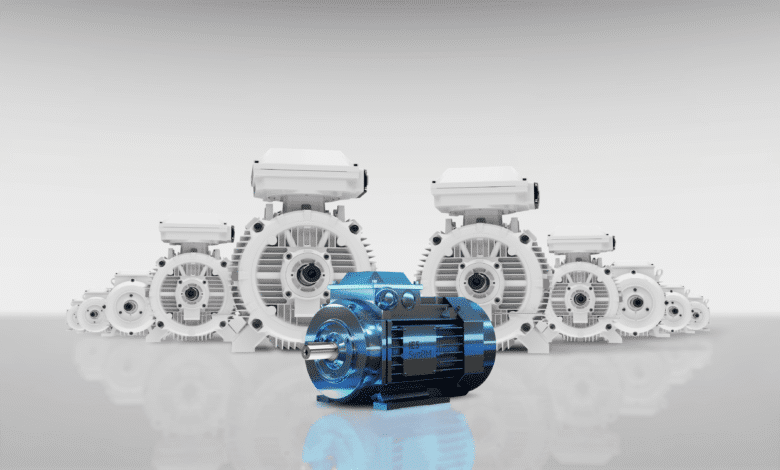
New developments in SynRM are helping to push efficiency levels to their theoretical limits, while also opening up new applications to the benefits of IE5 efficiency. For instance, ABB’s IE5 SynRM Liquid-cooled motor combines the benefits of ultra-premium energy efficiency with highly effective liquid cooling. The new design sets a new benchmark for high power output and reliability in a compact footprint.
A major advantage of the IE5 SynRM Liquid-cooled motors is that they are much more efficient than the traditional liquid-cooled induction motors currently in use, offering significant potential for upgrading with energy-saving technology. Energy efficiency is crucial to optimising the total cost of ownership (TCO) of an electric motor because the cost of the energy to run it throughout its life accounts for around 97% of a motor’s TCO, with the purchase cost accounting for about 2%.
Even small savings can have a large overall impact when you add enough of them up. Using a drive to make subtle changes to a pump motor’s speed or control philosophy will often have no negative impact on processes, but it will save energy. Because pumps are so widely used in water and fluid applications, the savings can potentially be vast. Rapid progress is clearly required in order to even get close to the industry’s 2030 Net Zero target. Upgrading pump motors and making intelligent use of the drives used to control them represents an easy and cost-effective way of making significant progress on energy and carbon performance in a relatively short space of time.